Expedition and freight forwarding solutions
Provides all type of sea freight services, sea freight exporters and importers cost effective international shipping services
Provides all type of sea freight services, sea freight exporters and importers cost effective international shipping services
Our sea freight solutions builds bridges of opportunities to the global market. Building on its long-term experiences as a sea freight forwarder we have a well-established network of shipping companies and agencies.
We know how to navigate the complex logistics landscape and build safeguards into our processes, ensuring accuracy and providing our customers peace of mind.
Our IT technology allows for complete end-to-end visibility, keeping you in control of your supply chain.
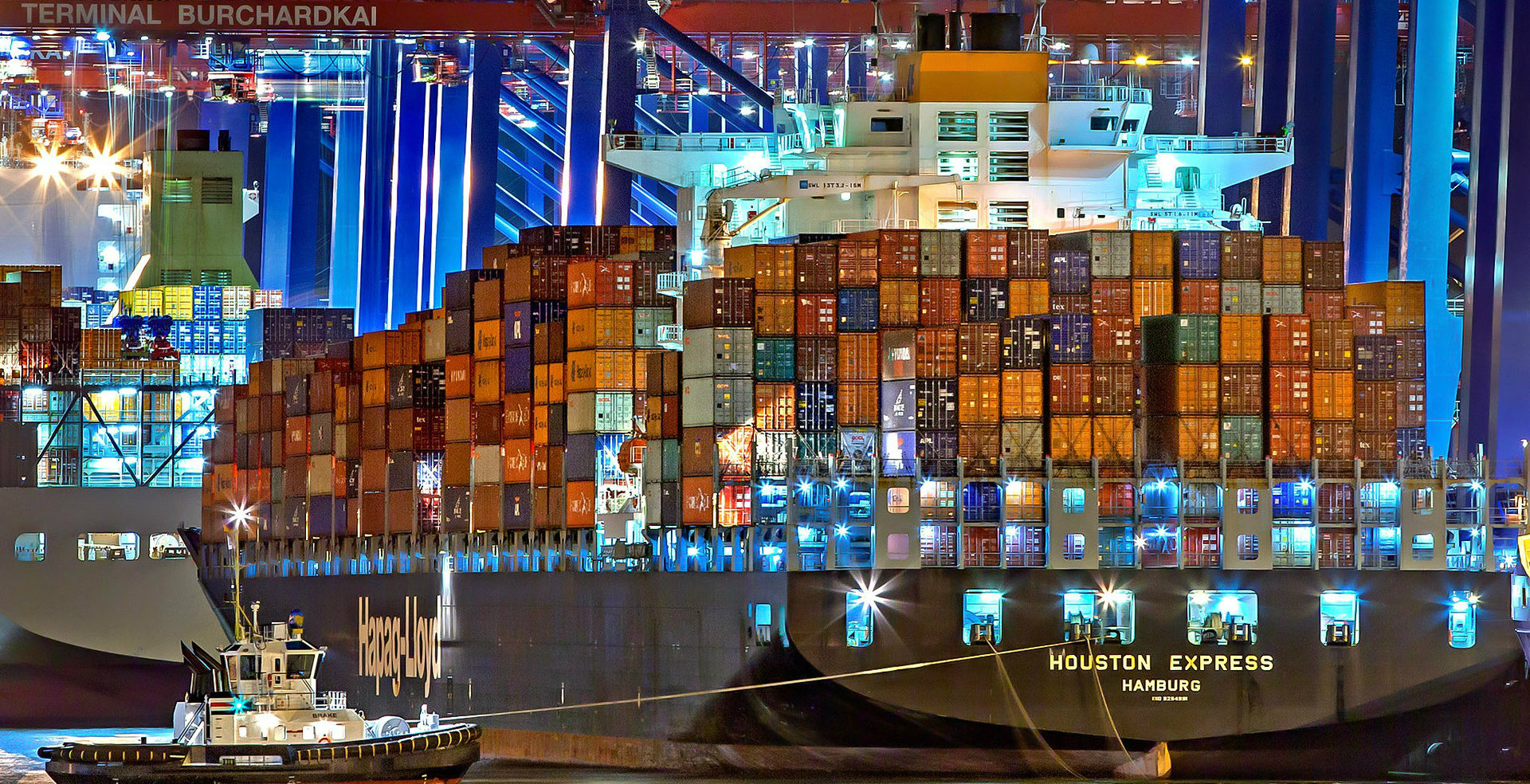
Our company offers a full array of global ocean freight and transportation services. We can handle almost any size shipment, from less-than-container loads to full container loads, special equipment, and oversized cargo. Our advanced tracking provides visibility of critical milestones throughout the journey.
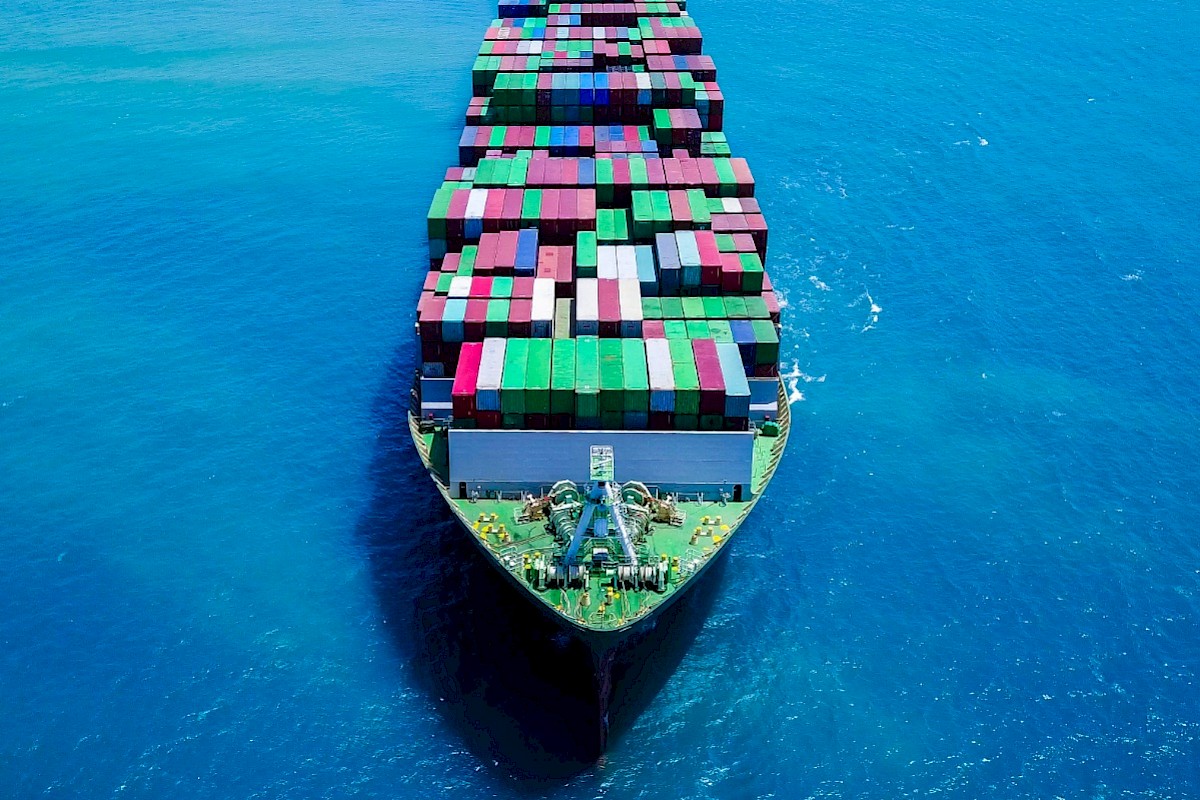
From almost any origin, destination or carrier, we can provide streamlined freight forwarding to book your cargo, arrange for pickup and delivery, and manage the shipping documentation. With decades of experience, we facilitate the entire forwarding process according to your specifications as well as the requirements of the import and export countries.
09.11.2026
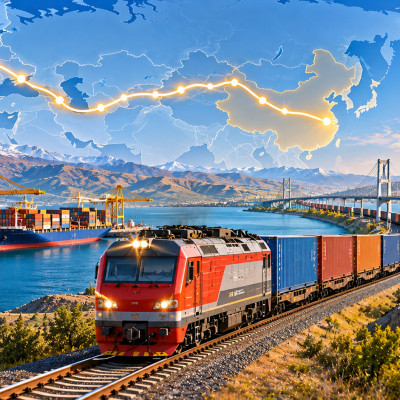
The Trans-Caspian International Transport Route, widely known as the Middle Corridor, could become a major alternative logistics connection between China and Europe. However, unlocking its full potential will require approximately $55 billion in infrastructure and supporting investments by 2040, according to a World Bank assessment highlighted in November 2026.
The corridor connects China with European markets through Kazakhstan, the Caspian Sea, Azerbaijan, Georgia, and Türkiye, combining rail, maritime, and road transportation.
According to the World Bank, more than $25 billion will be needed to modernize railways, ports, and transport infrastructure, while approximately $30 billion in additional investment will support logistics hubs, industrial zones, equipment, and digital systems.
The potential benefits are significant. With coordinated investment and regulatory reforms, freight volumes along the corridor could more than triple by 2040, while participating economies could see an average GDP increase of 3.3% and the creation of approximately two million additional jobs.
One of the corridor's biggest challenges remains operational complexity. Cargo moving between China and Europe passes through multiple borders, transport networks, and customs systems. Improving coordination, simplifying documentation, and introducing integrated digital solutions will be essential to making the route faster and more reliable.
The World Bank estimates that transit times between Chongqing and Budapest could potentially fall from today's 47–50 days to just 18–19 days by 2040, provided the necessary infrastructure improvements and reforms are implemented.
For international freight forwarders, importers, and exporters, the Middle Corridor represents an opportunity to diversify transportation routes and strengthen supply chain resilience. Its development could provide businesses with greater flexibility in managing cargo flows between Asia and Europe.
The project's success will depend not only on infrastructure investment but also on cooperation between governments, railway operators, ports, and logistics providers.
The Middle Corridor is evolving from a regional transit route into a potential strategic trade and logistics network connecting Asia and Europe.
14.10.2026
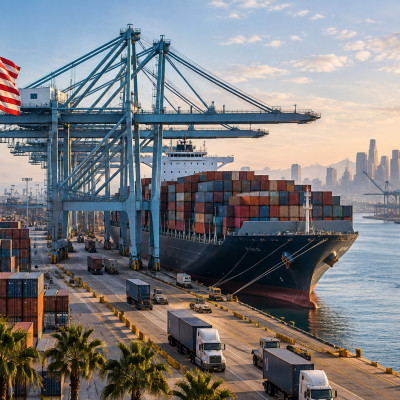
The Port of Los Angeles has reached a new milestone, handling 1.04 million TEU in September 2026 — its highest monthly container volume on record.
One of the key drivers behind this growth was strong cargo traffic from China. More predictable U.S. trade tariffs encouraged importers to increase shipments, while disruptions and restrictions at the Panama Canal also contributed to changes in shipping routes.
The record highlights the continued importance of China–U.S. trade, despite ongoing trade tensions and changes in global supply chains.
However, higher cargo volumes also put additional pressure on port infrastructure, inland transportation and container handling operations.
For shippers and logistics providers, the message is clear: strong trade flows create new opportunities, but careful planning remains essential to avoid delays and keep supply chains running smoothly.
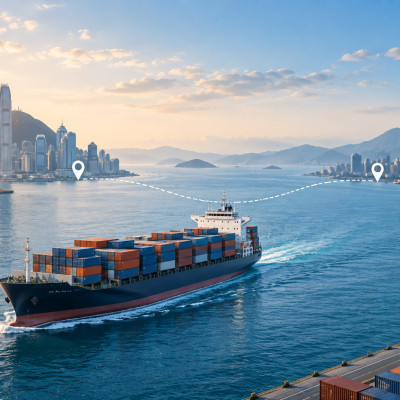
16.09.2026
A new weekly feeder service between Hong Kong and Taiwan is being launched as TVL Marine returns to liner shipping.
The service is aimed at strengthening short-sea connections within Asia and meeting growing demand for intra-Asia cargo flows.
- Focus on regional trade
The new route provides shippers with another regular option for moving containers between Hong Kong and Taiwan — two important logistics hubs in the region.
- Sea-air logistics is also in focus
TVL Marine also sees potential in the growing sea-air segment, where cargo is transported by sea for part of the journey and then transferred to air freight.
This model can offer businesses a balance between the lower cost of ocean freight and the speed of air transport, particularly for time-sensitive cargo.
For Asian logistics, the launch reflects a broader trend: regional shipping networks are becoming increasingly important as companies look for more flexible and diversified supply chains.
Aside from arranging appropriate vessel we also handle the related formalities along with constant tracking of the shipment while it’s in transit using the sophisticated system empowered by our efficient global partners.
Full container load
Less than container load
Non-containerised load
Buyer's consolidation services
Room A12, Unit A, 15/F., Prince Industrial Building, 706 Prince Edward Road East, Kowloon, Hong Kong
Tel: 3101 9261
Fax: 2866 0031